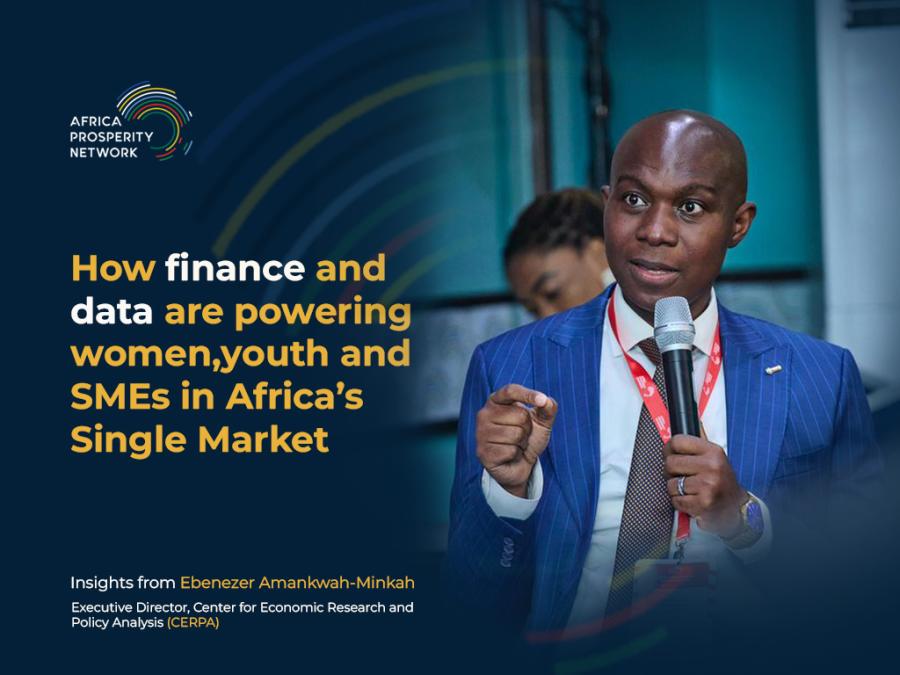
CERPA: Finance, Data Must Drive AfCFTA For Women, Youth, And SMEs
The Centre for Economic Research and Policy Analysis (CERPA) has urged a major rethink of Africa’s financial and data systems to ensure women, youth, and small businesses benefit from the African Continental Free Trade Area (AfCFTA). Executive Director Ebenezer Amankwah-Minkah said this during a panel titled “Opening the Gates: How finance and data are powering women, youth and SMEs in Africa’s single market” in Accra on Wednesday February 4.

CERPA’s View on the Recent Electricity & Water Tariff Hikes
Ghana’s latest utility adjustments a 9.8% increase in electricity tariffs and a 15.92% rise in water tariffs highlight a broader challenge of policy coherence. Although ongoing disinflation and relative exchange rate stability suggest improving economic fundamentals, these tariff revisions......
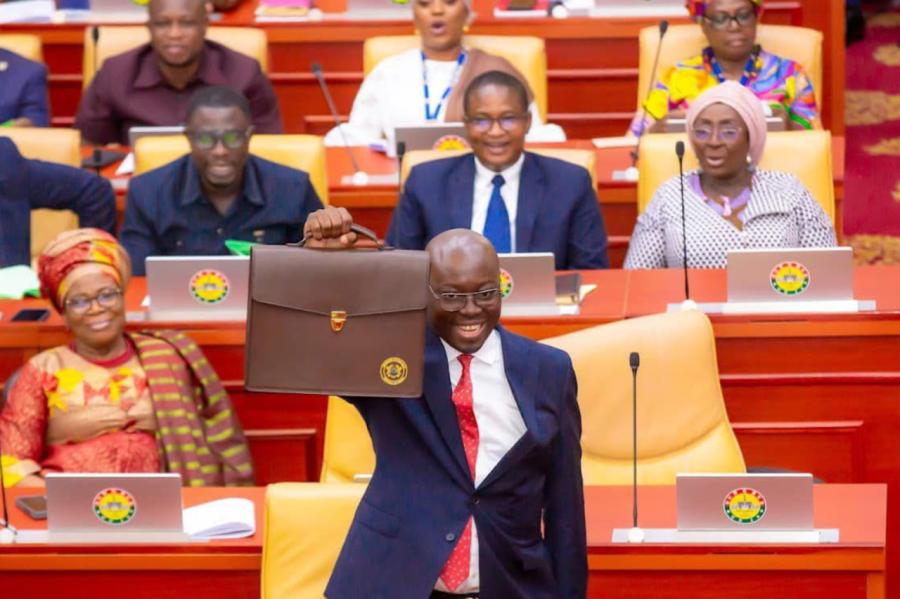
CERPA reviews 2026 Budget Statement and Economic Policy
The 2026 Budget, presented to Parliament by the Minister for Finance on 13 November 2025, is the second budget of the NDC administration under the “Reset Agenda.” Themes of fiscal discipline, macroeconomic stability, and job creation dominated the budget, which is anchored on “Resetting for Growth...
CERPA Sets Out Key Expectations for Ghana’s 2026 Budget.
Ahead of the presentation of the 2026 Budget Statement to Parliament, the Centre for Economic Research and Policy Analysis (CERPA) has outlined its expectations for a budget that sustains Ghana’s recent macroeconomic gains while stimulating growth, creating jobs, and strengthening fiscal resilience.
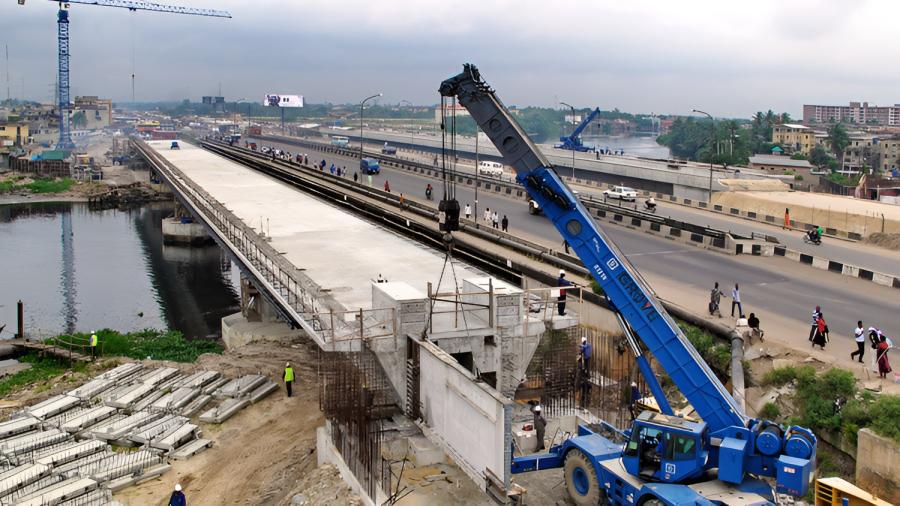
CERPA urges infrastructure-led, inclusive growth to sustain cedi stability.
Economist and Executive Director of the Center for Economic Research and Policy Analysis (CERPA), Ebenezer Amankwah-Minkah, has called for Ghana to leverage its recent macroeconomic stability as a foundation for deeper structural transformation driven by infrastructure investment and inclusive growth.

Rethinking artisanal mining: Building a sustainable pathway for Ghana’s gold economy.
Over the past few years, few issues have stirred as much public concern as illegal small-scale mining – “galamsey.” The environmental, health, and social costs are severe – rivers poisoned with mercury, forests razed, communities displaced, and people exposed to toxic substances...
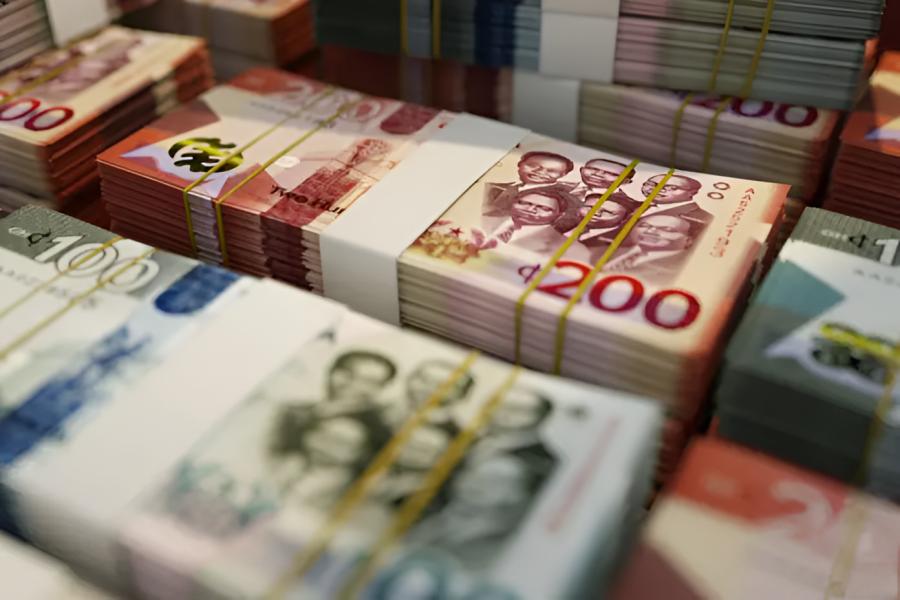
Ghana's Current Cedi Depreciation; Drivers and Policy Options
By the end of 2024, the Ghanaian Cedi was widely recognised as one of the weakest-performing currencies in Africa, experiencing substantial depreciation relative to major global currencies.
Highlights of the Mid-Year Budget Review and CERPA’s view
As outlined in Section 28 of the Public Financial Management Act, 2016 (Act 921), the Finance Minister of Ghana delivered the Mid-Year Fiscal Policy Review for the 2025 Budget Statement and Economic Policy to Parliament on behalf of the President on Thursday, July 24, 2025
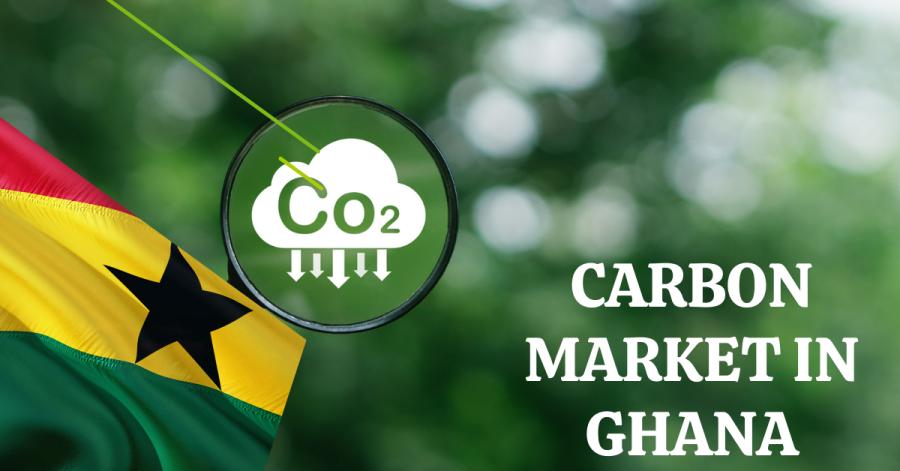
Center for Economic Research and Policy Analysis calls for bold policy action to unlock carbon market potential
The paper outlines the opportunities and challenges facing the country’s carbon trading ambitions and provides strategic policy recommendations to position Ghana as a competitive player in the global carbon economy.

Policy Analysis by CERPA: The GHc1 Question: Is Ghana's new fuel levy a sustainable path to energy sector reform?
Ghana's energy sector has long faced significant challenges that threaten its efficiency, reliability, and long-term sustainability.

CERPA advocates for blended wage system to boost productivity, meet labour demands
CERPA has published a new policy brief examining the feasibility and implications of transitioning to an hourly wage system in Ghana.
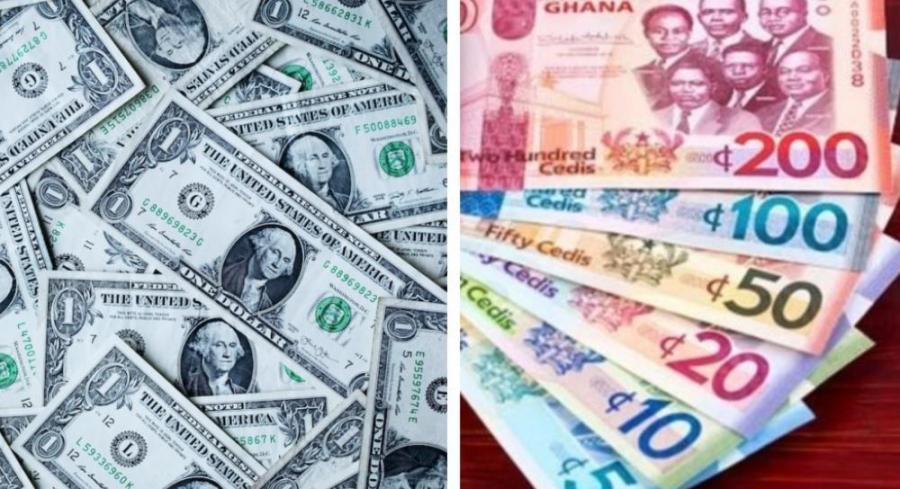
The cedi appreciation: A turning point or temporary relief?
The Ghanaian cedi has long been characterised by persistent volatility, often undermining economic stability and investor confidence.